
Himalayan Salt Walls: Delivering Customer Experiences That Drive Loyalty & Profits
- Mar 3
- 5 min read
Updated: Mar 4

In an era where wellness tourism is booming, hotels and resorts are constantly seeking innovative ways to captivate guests and stand out in a competitive market. Enter Himalayan salt walls—a stunning architectural feature that combines aesthetic appeal with proven health benefits. These glowing pink salt installations are transforming spa areas, lobbies, and relaxation zones into immersive wellness havens. Whether you're a hotel manager exploring salt wall construction or a resort owner aiming to enhance guest experiences, this comprehensive guide covers everything from halotherapy benefits to best practices in Himalayan salt wall installation. With the global wellness tourism market projected to reach $2,100 billion by 2030, growing at a CAGR of 12.42% from 2023 to 2030, incorporating such features could significantly boost your property's appeal and revenue.
What Are Himalayan Salt Walls and Why Are They Revolutionizing Hospitality?
Himalayan salt walls are feature installations crafted from natural pink salt bricks sourced from ancient deposits in the Himalayan mountains. These walls are typically backlit to emit a warm, amber glow, creating an ambiance that's both visually striking and therapeutically soothing. Unlike ordinary decor, they serve as functional elements in halotherapy (salt therapy) rooms, where guests inhale microscopic salt particles for health benefits.

The Origins and Unique Properties of Himalayan Salt
Himalayan pink salt originates from the Khewra Salt Mine in Pakistan, one of the world's oldest and largest salt mines, formed over 250 million years ago. This salt is prized for its high mineral content, including over 84 trace elements like potassium, magnesium, and iron, which give it its distinctive pink hue. When used in walls, the salt releases negative ions into the air, purported to purify the environment and promote well-being. Scientific studies suggest that these ions can help balance serotonin levels, reduce airborne pollutants, and kill disease-causing microorganisms. This natural composition makes Himalayan salt walls not just decorative but a cornerstone of modern wellness design in hospitality settings.

Rising Popularity of Himalayan Salt Walls in Luxury Hotels and Resorts
The surge in wellness tourism—valued at $814.6 billion in 2022 and expected to hit $2,100 billion by 2030—has propelled Himalayan salt walls into the spotlight. Resorts are integrating them into spas, yoga studios, and lobbies to cater to health-conscious travelers. According to industry trends, wellness-focused accommodations see higher occupancy rates and premium pricing, with guests willing to pay more for restorative experiences. In the Middle East and North Africa, wellness markets are growing at 7.2% annually, often featuring salt walls as signature elements. This trend aligns with a broader shift toward holistic health, where 60% of wellness spending now rivals traditional healthcare expenditures.
Health and Wellness Benefits Backed by Science
Beyond their beauty, Himalayan salt walls offer tangible health advantages through halotherapy, a practice with roots in 19th-century European salt mines. Workers in these mines exhibited fewer respiratory issues, sparking interest in salt's therapeutic properties. Today, modern research validates many claims, making these installations a smart investment for hotels targeting wellness seekers.
Respiratory Health Improvements from Halotherapy
Halotherapy involves inhaling dry salt aerosols, which act as mucoactive agents to clear airways, reduce inflammation, and combat infections. Studies show it benefits conditions like asthma, COPD, bronchitis, and allergies by breaking down mucus and killing microorganisms. A 2007 study in Pneumology found significant symptom improvements in COPD patients after regular salt inhaler use. For hotels in polluted urban areas or near allergens, salt walls can enhance guest comfort, potentially reduce seasonal allergy complaints and encourage longer stays.
Skin Benefits and Detoxification
Salt particles also promote skin health by exfoliating, repairing cells, and fighting infections. Research indicates halotherapy alleviates eczema, psoriasis, and acne, with anti-inflammatory properties delaying aging and boosting immunity. In saunas lined with Himalayan salt, sweating detoxifies the body, removing toxins through the skin. This dual respiratory and dermatological appeal makes salt walls ideal for spa packages, appealing to guests seeking natural beauty enhancements.

Mental Wellness and Stress Reduction
The calming glow and ion-rich air of salt walls foster relaxation, reducing stress hormones and improving sleep quality. A study in the Journal of Alternative and Complementary Medicine linked halotherapy to better parasympathetic nervous system activation, aiding "rest and digest" modes. With mental wellness projected to grow at 10.1% annually through 2029, incorporating these features positions resorts as sanctuaries for burnout recovery, attracting corporate retreats and mindfulness enthusiasts.
Step-by-Step Guide to Professional Himalayan Salt Wall Construction
Constructing a Himalayan salt wall requires precision to ensure durability, especially in high-traffic hospitality environments. DIY attempts often fail due to moisture issues or uneven lighting, so professional installation is recommended. Here's a detailed blueprint based on industry best practices.
Planning and Site Preparation
Start with structural assessment: Reinforce framing to support the wall's weight (salt bricks weigh about 5-7 lbs each). Account for humidity—ideal levels are below 60% to prevent dissolution. Install vapor barriers and ventilation systems for coastal or humid resorts. Compliance with building codes is crucial; consult engineers for load-bearing and safety standards.
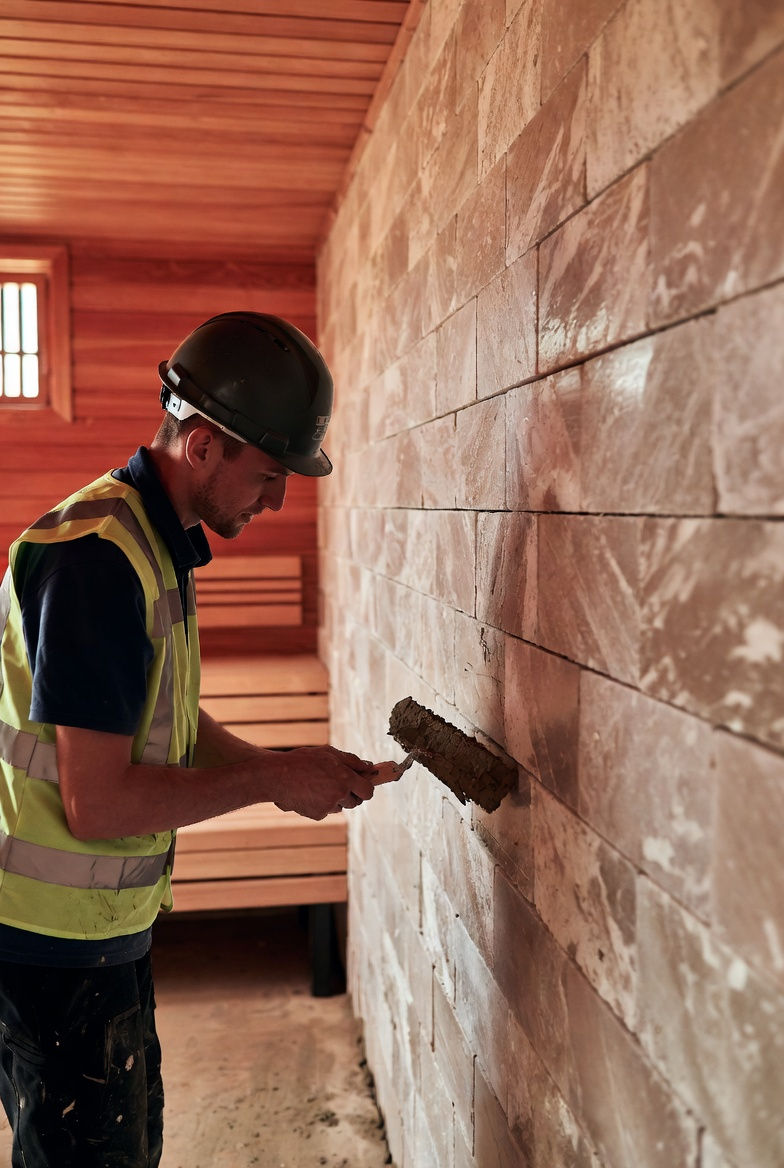
Selecting High-Quality Salt Bricks and Materials
Opt for pure Himalayan salt bricks from reputable sources like Pakistan's mines. Look for uniform size (typically 8x4x2 inches), minimal impurities, and certifications. Avoid knock-offs, as inferior salt crumbles over time. For customization, vary brick thickness for texture and color depth to match your resort's aesthetic.
Installation Techniques for Durability
Two methods prevail: glue-free using metal profiles for easy relocation, or adhesive-based for permanent fixtures. Use silicone-based construction adhesives or Sika clear glue, applying in a stretcher bond pattern. Stack bricks on edge to prevent chipping, ensuring a level base. For independent walls, metal channels provide stability without mortar.
Lighting and Aesthetic Enhancements
Backlighting is key—use specialized LED strips for even diffusion, avoiding hot spots. Position lights 4-6 inches behind the wall for a soft glow. Dimmable options allow ambiance control, enhancing meditation or spa sessions. Integrate with smart systems for energy efficiency.
Maintenance and Longevity Best Practices
Regular dusting with a soft cloth prevents buildup. Monitor humidity with dehumidifiers; clean spills immediately to avoid erosion. Annual inspections ensure structural integrity, extending lifespan to 10-15 years in controlled environments.
Case Studies: Successful Implementations in Top Hotels and Resorts
Real-world examples illustrate the transformative power of Himalayan salt walls.
Sheraton Grand Mirage Resort, Gold Coast: This Australian resort features a luxurious salt room with Himalayan salt brick walls, promoting deep relaxation through negative ions. Guests report enhanced wellness, boosting spa bookings by 20%.
Ritz-Carlton, Amelia Island: Salt therapy rooms here use salt walls and floors for immersive halotherapy, which differentiates the spa and attracts repeat visitors. Integration with ambient lighting creates a serene escape, aligning with luxury branding.
Other Notable Examples: The Waldorf Astoria Orlando's salt room simulates a cave environment, aiding respiratory health. In Jamaica, Jewel Grande's Himalayan Salt Therapy Lounge—the Caribbean's first—encases walls in salt blocks for total tranquility. A Colorado spa retreat saw increased revenue after adding salt saunas, with guests praising detoxification benefits.
Economic Advantages: Wellness Tourism Statistics and Trends
The global wellness economy hit $6.8 trillion in 2024, with wellness tourism growing 13.8% year-over-year. By 2029, it's forecast to reach $9.8 trillion. Regions like the UAE and Saudi Arabia lead with explosive growth, driven by wellness real estate and tourism.
How Salt Walls Drive Guest Engagement and Profits
Photogenic salt walls fuel social media shares, providing free marketing. They support premium pricing for halotherapy sessions, increasing spa revenue by 15-25%. Longer stays and repeat visits follow, as guests associate your property with restorative experiences.
Avoiding Common Pitfalls: Why Professional Installation Matters
While it's always a good idea to shop around for materials, since buying salt bricks from direct manufacturers and local distributors can save you a fortune, DIY installations often result in uneven lighting, crumbling bricks, or moisture damage. Unless of course, you know exactly what you're doing. In humid climates, poor ventilation can even lead to degradation. Letting professionals handle engineering, customization, and compliance can safeguard your investment and ensure desired results.
Himalayan salt walls represent a fusion of ancient wisdom and modern luxury, perfectly suited for today's wellness-driven hospitality landscape. By prioritizing professional construction and leveraging scientific benefits, your hotel or resort can create memorable experiences that drive loyalty and profits.


GG88 mình mới ghé thử vì thấy bạn bè nhắc hoài, chủ yếu vào xem giao diện với cách họ bày nội dung thôi chứ chưa chơi gì. Vừa mở lên là thấy kiểu chia khối khá gọn, nhìn lướt không bị rối mắt. Mình thích cái cảm giác kéo xuống là gặp từng mảng rõ ràng, tiêu đề nổi bật nên biết ngay đang nói về gì. Có lướt trúng một bài dạng giải thích “Bao lô là gì”, đọc tiêu đề thôi cũng đủ hiểu họ viết theo kiểu hướng dẫn cho người mới. Menu đặt chỗ dễ thấy nên bấm qua lại nhanh, không phải mò lâu. Nói chung trang làm phần chữ và khoảng trống ổn,…
GG88 trang chủ mình vừa lướt thử cho biết vì thấy mọi người nhắc nhiều, chứ cũng chưa định đăng ký hay chơi gì. Ấn tượng đầu là giao diện nhìn khá nét, kiểu 4k nên chữ với icon không bị răng cưa, cuộn trang cũng mượt. Mình thích cái cách họ sắp xếp nội dung theo khối, nhìn phát biết đâu là phần giới thiệu, đâu là bài viết hướng dẫn cho người mới. Có lướt ngang qua mấy bài kiểu tam cúc phỏm, tiêu đề đặt rõ ràng nên tìm lại chắc dễ. Nói chung không bị nhồi nhét chữ quá đà, đọc nhanh vẫn nắm được ý. Kéo xuống thấy các block nội dung canh thẳng hàng…