
Emerging 2026 Trends in Himalayan Pink Salt Applications: From Hybrid Spa-Sauna Designs to Functional Food Integration
- Mar 28
- 7 min read

The wellness and natural products sectors continue their strong momentum into 2026, with halotherapy and Himalayan pink salt playing increasingly prominent roles. North America remains a leading region for salt therapy growth, supported by rising consumer interest in natural, non-invasive approaches to respiratory health, relaxation, and overall well-being. Market projections show the broader salt therapy space expanding at CAGRs between 8-12% through the early 2030s, with halotherapy chambers and related installations contributing meaningfully to that rise.
For business owners operating spas, saunas, salt caves, food and spice production facilities, retail stores, or private label programs, staying ahead of these shifts matters. New design concepts, multi-modal wellness experiences, and innovative food applications are creating fresh opportunities—but they also raise the bar on what operators and brands need from their salt suppliers.
This guide explores some of the most relevant emerging 2026 trends in Himalayan Pink Salt Applications. You’ll find practical insights on hybrid spa-sauna setups, evolving uses for salt bricks and tiles, functional food integrations, and supplier capabilities that can help your business scale smoothly and meet growing expectations for consistency, traceability, and performance.
The Continued Growth of Halotherapy and Wellness Applications
Halotherapy—dry salt aerosol therapy—has moved from niche offering to a mainstream wellness feature in many spas, gyms, and dedicated centers. North America continues to lead adoption, driven by heightened awareness around respiratory support, stress reduction, and preventive self-care.
Industry estimates point to solid expansion: the salt therapy market overall is projected to grow steadily, with North America holding a dominant position thanks to established wellness infrastructure and consumer spending power. Halotherapy chambers and related equipment show annual growth rates in the 8-12% range in various forecasts, reflecting demand for both commercial installations and more accessible formats.
This growth translates into opportunities for operators. Many spas are adding or expanding salt rooms to differentiate their services, improve client retention, and create add-on revenue streams through session packages or retail tie-ins. Salt caves and therapy rooms often become signature experiences that encourage longer visits and higher lifetime client value.
At the same time, expectations are evolving. Clients want spaces that feel premium, consistent in performance, and visually appealing. That puts pressure on the quality and suitability of the Himalayan pink salt bricks, tiles, and granules used in construction and operation. Suppliers who can deliver uniform material with reliable documentation help operators avoid maintenance surprises and focus on delivering great client experiences.

Trend 1: Hybrid Spa-Sauna Designs Blending Heat, Salt, and Multi-Modal Therapies
One of the clearest shifts in 2026 is the rise of hybrid wellness spaces that combine traditional sauna heat with halotherapy elements. Rather than standalone salt rooms or conventional saunas, operators are integrating Himalayan salt bricks and tiles directly into sauna walls, benches, or accent features.
These designs create a multi-sensory environment: the gentle warmth releases negative ions from the salt, the pink glow adds calming ambiance, and the dry salt aerosol (when paired with a halogenerator) complements the heat for a more comprehensive session. Some setups also layer in red light therapy, aromatherapy, or cold plunge transitions for a full-circuit experience.
Why this trend resonates:
It maximizes space efficiency in spas and wellness centers where square footage is valuable.
Clients appreciate “one-stop” sessions that address relaxation, skin health, and respiratory comfort in a single visit.
The aesthetic appeal of Himalayan salt—its natural translucency and soft pink hues—elevates the room’s luxury feel, making it easier to position premium pricing.
For successful implementation, salt bricks and tiles must withstand heat and controlled humidity without excessive moisture absorption or structural issues. Density, consistent sizing, and proper installation guidance become important factors. Suppliers who offer pre-tested material suited for heated environments and provide clear specs on performance help reduce installation risks and long-term maintenance.
Portable or modular hybrid cabins are also gaining interest, especially for smaller spas or those testing the concept before full-scale builds. These often use lighter salt tile formats or pre-assembled panels, making them easier to deploy while still delivering the core benefits.

Trend 2: Salt Bricks and Tiles in Sauna and Spa Construction
Himalayan salt bricks and tiles continue to trend strongly in both new builds and renovations. Beyond full salt caves, many facilities now incorporate salt walls or accent features into existing saunas, massage rooms, or meditation spaces.
Key drivers in 2026:
Visual and atmospheric enhancement: The warm pink lighting effect creates a serene, Instagram-friendly backdrop that supports marketing efforts.
Perceived wellness layering: Heated salt surfaces are valued for their gentle thermal properties and potential contribution to a more relaxing environment.
Durability focus: Operators want materials that maintain appearance and integrity over time in warm, occasionally humid conditions.
Practical considerations for operators include choosing the right thickness and density for load-bearing or wall applications, ensuring good light transmission for backlighting effects, and following appropriate sealing or mounting methods to manage any natural hygroscopic behavior of the salt.
For suppliers, this means being ready with a range of formats—standard bricks, thinner tiles for accent walls, and options with consistent color grading—so that designers and installers can achieve uniform results across larger surfaces. Clear guidance on compatible fixtures (such as stainless steel channels or specialized adhesives) and moisture management also adds value for B2B clients.

Trend 3: Functional Food, Spice & Wellness Products Integration Using Himalayan Pink Salt
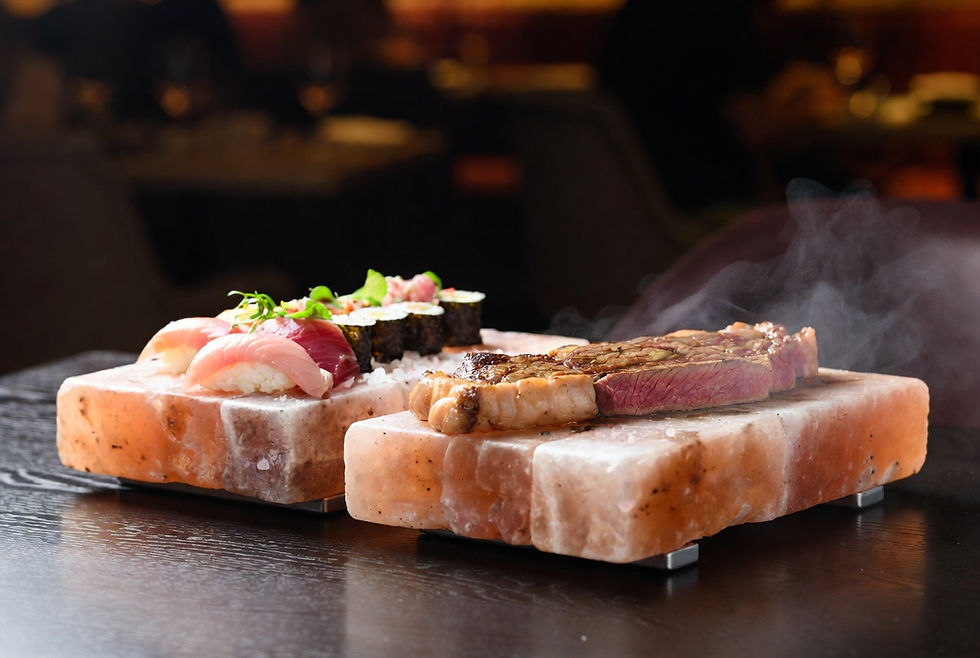
On the food side, Himalayan pink salt is finding expanded roles beyond basic seasoning. Clean-label trends and consumer interest in natural electrolytes continue to support its use in premium spice blends, functional snacks, hydration products, and gourmet formulations.
Emerging applications in 2026 include:
Electrolyte-focused blends for sports nutrition, recovery drinks, or daily hydration mixes, where the natural trace mineral profile (magnesium, potassium, calcium) complements the sodium content.
Gourmet spice lines that highlight subtle flavor complexity and visual appeal—pink salt flakes or coarse grains as finishing elements or in custom rubs.
Incorporation into processed or prepared foods where manufacturers seek premium positioning without artificial additives.
Bath and body product extensions that blur the line between food-grade and wellness-grade salt.
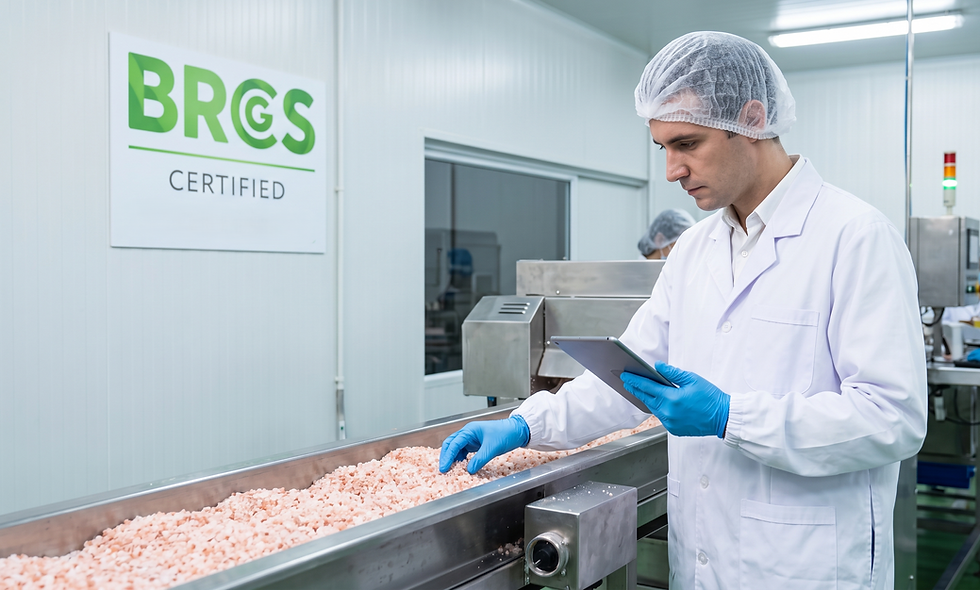
For food producers, co-packers, and private label brands, consistency remains essential: uniform granule size distribution, stable color, and predictable mineral profiles help maintain batch-to-batch quality and support labeling claims. Traceability documentation helps meet retailer and regulatory expectations around clean-label and origin stories.
Suppliers who can provide food-grade material with reliable Certificates of Analysis (COAs), customizable grain sizes, and scalable packaging options make it easier for manufacturers to innovate without disrupting production schedules.

Trend 4: Portable and Residential Salt Therapy Options
While commercial installations remain strong, there is growing interest in smaller-scale and at-home formats. Portable salt booths, compact cabins, and even residential salt room add-ons appeal to wellness enthusiasts who want convenient access or to spas offering “take-home” retail products.
This creates opportunities for suppliers to offer appropriately scaled products—smaller salt tile kits, ready-to-install panels, or bulk granules suited for home halogenerators. Durability and ease of maintenance become even more important in less controlled home environments.
What This Means for Supplier Requirements in 2026
To help businesses capitalize on these trends, suppliers need to deliver more than just product. Key capabilities that support operators and brands include:
Consistency Across Batches: Uniform color, granule sizing, and mineral profiles reduce production or installation variables. This is especially valuable for food copackers running repeated runs and for spa builders aiming for seamless aesthetics.
Traceability and Documentation: Clear origin records, batch-level tracking, and third-party testing results (including purity and contaminant profiles) support compliance, marketing stories, and retailer audits.
Format Variety and Customization: A range of brick/tile dimensions, grain sizes (fine for blends, coarse for finishing or bath products), and packaging options tailored to different use cases.
Performance Guidance: Practical advice on installation in heated or humid settings, storage best practices, and suitability for specific applications (food-grade vs. wellness-grade).
Reliable Lead Times and North American Accessibility: Shorter, more predictable supply chains help with inventory planning and reduce exposure to international shipping delays.
Support for Scaling: Flexible MOQs that work for both testing new concepts and expanding successful ones, plus the ability to grow with private label or distribution partners.
Businesses that partner with suppliers offering these elements often report smoother project rollouts, fewer quality-related rework costs, and greater confidence when marketing their offerings.

How Selrox Supports Operators Navigating 2026 Trends
At Selrox, we focus on providing traceable Himalayan pink salt with an emphasis on consistency and B2B practicality. Our supply chain is structured to serve North American customers effectively, with attention to the specs needed for both wellness installations and food applications.
Whether you are designing a new hybrid sauna-salt room, formulating a functional spice blend, expanding a private label line, or sourcing durable bricks for a salt cave project, we aim to deliver material that performs reliably. We provide detailed specifications, recent lab documentation, and the ability to discuss custom requirements so your team can move forward with confidence.
Many spa operators, food producers, and resellers find that working with a supplier who understands the operational realities of these trends simplifies decision-making and supports long-term growth.
Preparing Your Business for the Opportunities Ahead
2026 looks promising for those who align their offerings with evolving client and consumer preferences. Hybrid designs, expanded salt applications in saunas and spas, and thoughtful integration into functional foods all point toward continued innovation in the Himalayan pink salt space.
Success will likely favor operators who prioritize quality, consistency, and reliable partnerships. By selecting suppliers who can meet higher standards for documentation, performance, and responsiveness, you position your business to capture more value from these trends—whether through premium client experiences, differentiated food products, or efficient scaling of private label programs.
If you are exploring ways to incorporate Himalayan pink salt into your 2026 plans—whether for a new wellness installation, product development, or supply chain refinement—we invite you to connect with the Selrox team. We’re happy to share product details, discuss specifications that match your needs, and explore how our traceable supply can support your specific goals.
The market continues to reward thoughtful execution. Staying informed about these trends and pairing them with dependable sourcing is a practical way to build resilience and growth potential in a dynamic industry.

Comments